


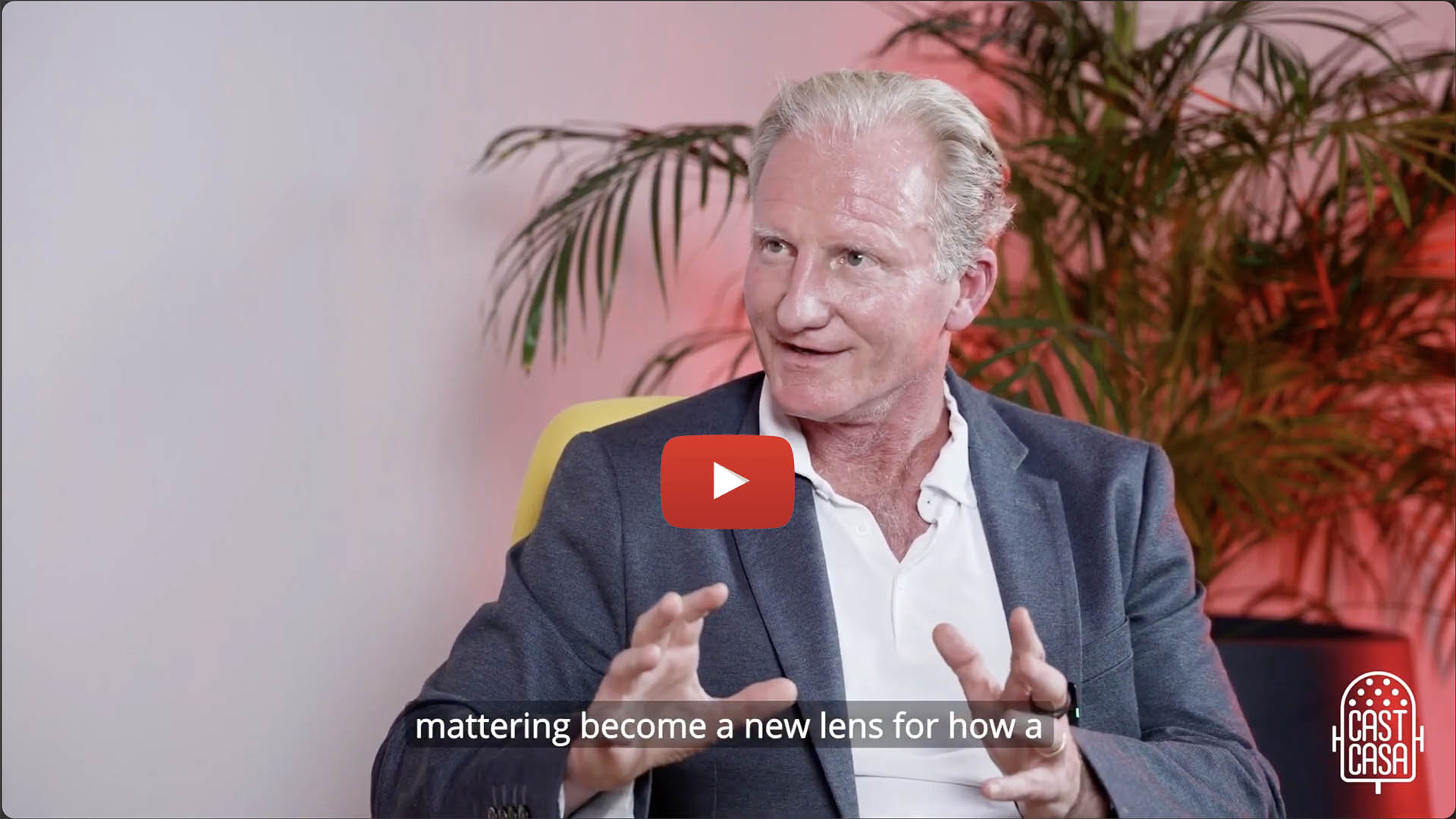
GTA’s Executive Chairman shares lessons from the Hixon family’s experience in building businesses, navigating uncertainty, and preparing future owners and leaders.
What helps a family enterprise remain strong across generations? For Frank H. Foster, Executive Chairman of Generation Transition Advisors, the answer begins with a deliberate investment in people.
In this interview, Frank draws on his experience helping lead the Hixon family’s business interests to explore how families can strengthen their relationships, develop capable owners, and create opportunities for the next generation to contribute. His perspective reflects the work at the heart of GTA’s mission: helping families build resilient enterprises through effective partnerships within and across generations.
A shared commitment to the future
The Hixon family’s business story began in lumber and evolved through investments in electronics, real estate, energy, and venture capital. Along the way, the family faced a financial crisis that prompted a fundamental question: Did they want to continue building together?
As Frank recounts, answering that question required direct conversations across the family about their choices, their businesses, and the future they could create together. The experience also exposed the need to prepare family members more intentionally for the responsibilities of ownership.
That lesson shaped his approach to leadership: a strong family enterprise needs people who understand the business, can make decisions together, and see a meaningful place for themselves in its future.
Give the next generation opportunities to contribute
Frank describes practical steps the family took to turn that commitment into action: educational support, mentoring, experience in the family’s venture capital business, and meetings designed around younger family members’ schedules.
These opportunities helped young adults build skills, develop relationships with rising non-family managers, and prepare for greater responsibility. Some went on to serve on family company boards. The benefits reached beyond individual careers. Older relatives became more engaged as they watched their children and grandchildren contribute. Younger cousins saw possibilities for their own involvement. For families considering succession, the implication is clear: development begins well before a formal transfer of ownership or leadership.
Connect tomorrow’s leaders with tomorrow’s businesses
Frank also introduces his concept of “futurizing”: aligning the development of the next generation with the family’s innovation strategy.
By working alongside experienced professionals and exploring emerging businesses, younger family members can build judgment while contributing fresh perspectives. This connects their learning with the enterprise’s need to evolve—and gives them room to discover their own interests and capabilities.
Build a family where people feel they matter
Another theme is the importance of “mattering.” Does the enterprise matter to family members? Do family members feel they matter to the enterprise?
Those questions invite families to look closely at how they listen, communicate, recognize contributions, and create opportunities for participation. A lasting commitment to shared ownership grows through those everyday experiences.
At GTA, we help current and next-generation owners strengthen communication, develop talent, and establish governance that supports effective decisions. Frank’s experience brings that purpose to life: investing in the next generation can strengthen the entire family and its capacity to build together.
His advice is direct: “Don’t be afraid to believe in young people.”
Learn more about GTA’s approach to supporting your family enterprise.

